
Design and Technology.
At Co-op Academy Nightingale, we teach DT through units taught every other half-term. We follow robust medium-term plans which set out a big question, big outcome, substantive knowledge, disciplinary skills and key vocabulary. We value DT as an important part of every child’s entitlement to a broad and balanced curriculum. We recognise the vital role of DT in allowing children to be creative and express their ideas.
We identify in our medium-term plans, the prior knowledge and future learning that our children will need and gain through their DT learning across Primary school. We take into account this knowledge to ensure we adapt and teach according to our children’s starting points. Furthermore, we map out vocabulary that will be taught in our DT lessons which is progressive across the Key Stages.
In DT we ensure that children follow a cycle of learning. The first stage involves research and exploration of what is out there already. The second stage involves the children designing their product. Th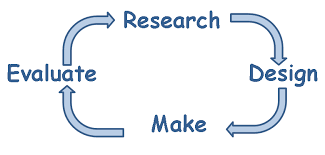 ey then have lessons dedicated to making their design. Finally, the children are required to evaluate their product. During the evaluation stage, it is important for children to discuss what went well alongside what could have been improved. Their evaluation is progressive across the key stages and their use of specific design technology vocabulary reflects this.
Lesson structure is important to us at Nightingale and we follow our Teaching and Learning handbook to teach the curriculum. We always include:
-
An introduction to the learning objective
-
High five
-
Introduction of key vocabulary
-
TLAC strategies to be utilised
-
Consideration of both substantive knowledge and disciplinary skills
Year 1
Term 2
Mechanisms (Pop up cards)
Term 4
Structures (Houses)
Term 6
Food (Healthy salads)
Year 2
Term 2
Structures (Boats)
Term 4
Mechanisms (Wheels and Axles)
Term 6
Textiles (Bookmarks)
Year 3
Term 2
Mechanisms (pneumatics)
Term 4
Food (Fajitas)
Term 6
Structures (bridges)
Year 4
Term 2
Food (Smoothies)
Term 4
Textiles (Pouch/purse)
Term 6
Mechanisms (torch)
Year 5
Term 2
Structures (Bridges)
Term 4
Food (Pierogi)
Term 6
Mechanisms (Make a moving toy)
Year 6
Term 2
Textiles (Bags)
Term 4
Mechanisms (CAD nightlights)
Term 6
Food (Flatbreads)